
On these pages
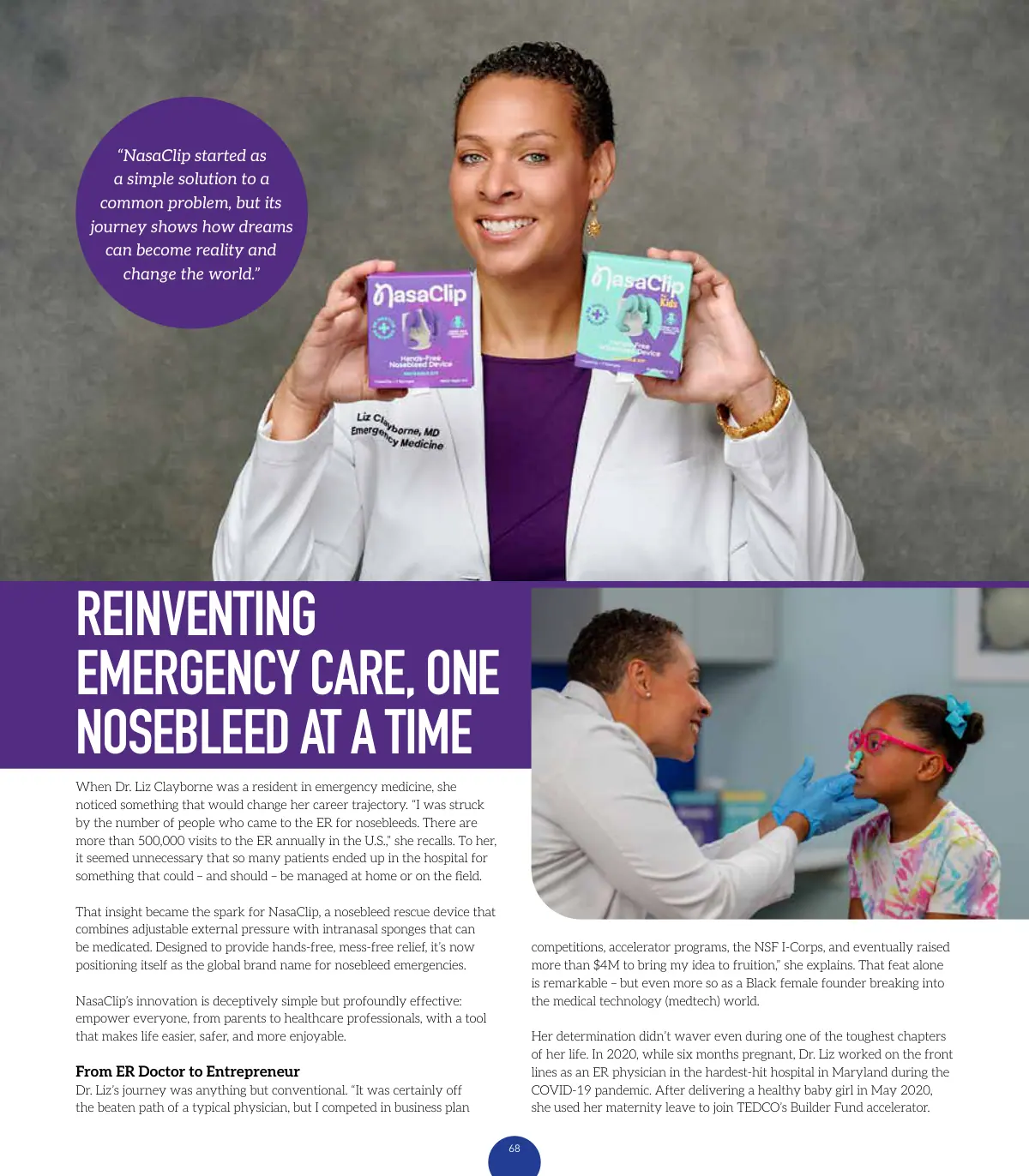
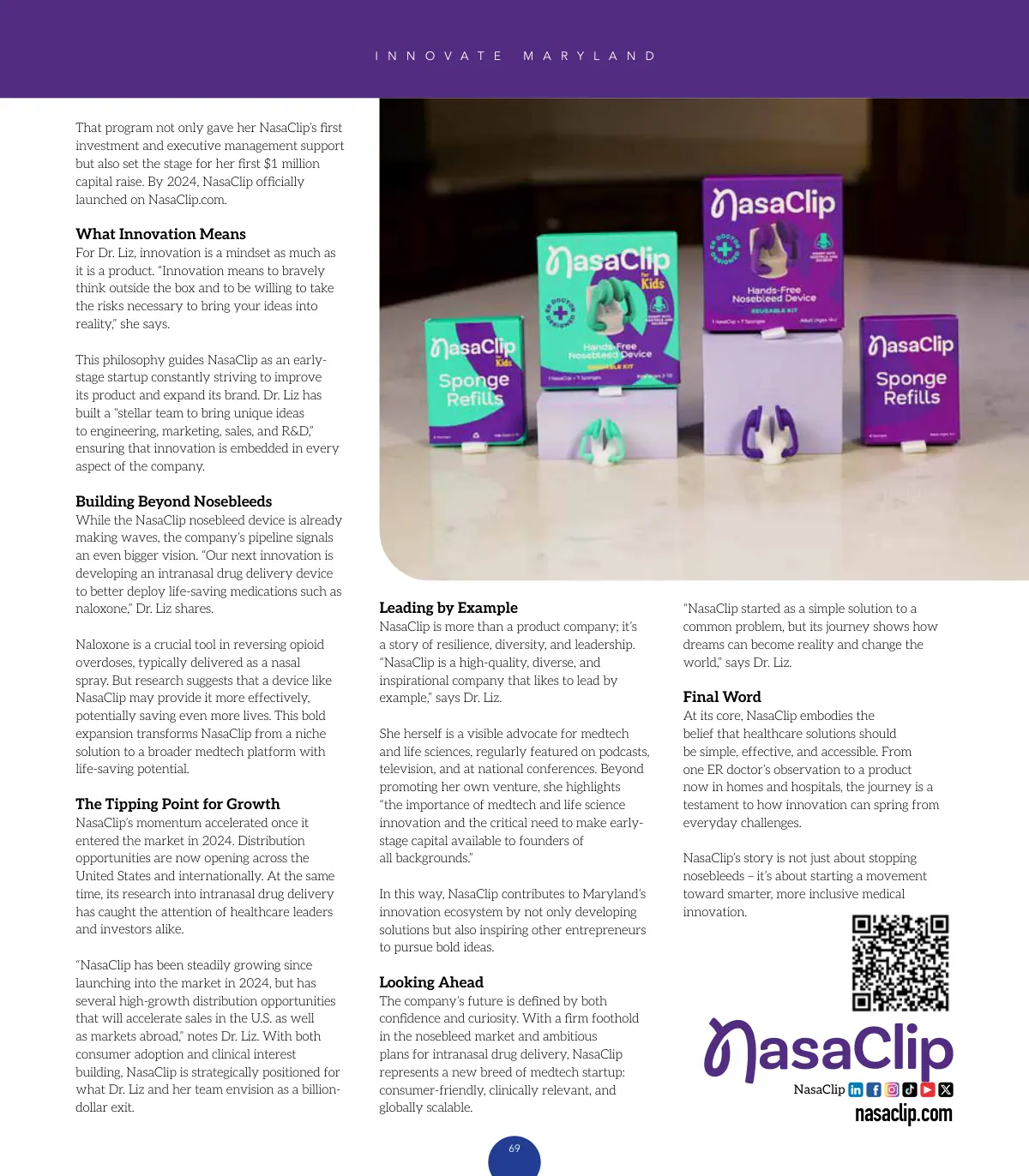
NasaClipDr Liz Clayborne, founder of NasaClip in the United States, is a former emergency physician who developed a nosebleed rescue device. She has raised over $4 million and is now developing an intranasal naloxone delivery device.
Read the story →Stories that connect
- Sharon Waters, JumpStart NJNew Jersey · INNOVATE New Jersey, 2024JumpStart NJ invests an average $1.5 million annually in startups and works on medical devices and health tech, so it could offer capital and screening support for NasaClip's funding needs.
- Las Olas Venture CapitalSouth Florida · INNOVATE South Florida, 2024Las Olas Venture Capital makes initial cheques of $1 to $3 million and works on health technology, so it could fit NasaClip's search for investment and capital.
- Clay Banks, InPacelineNashville · INNOVATE Nashville, 2026InPaceline offers mentoring, specialist advice and partnerships, and its founder has raised over $7 million and holds patents in hardware, which could help NasaClip with scaling and product development.
On these pages
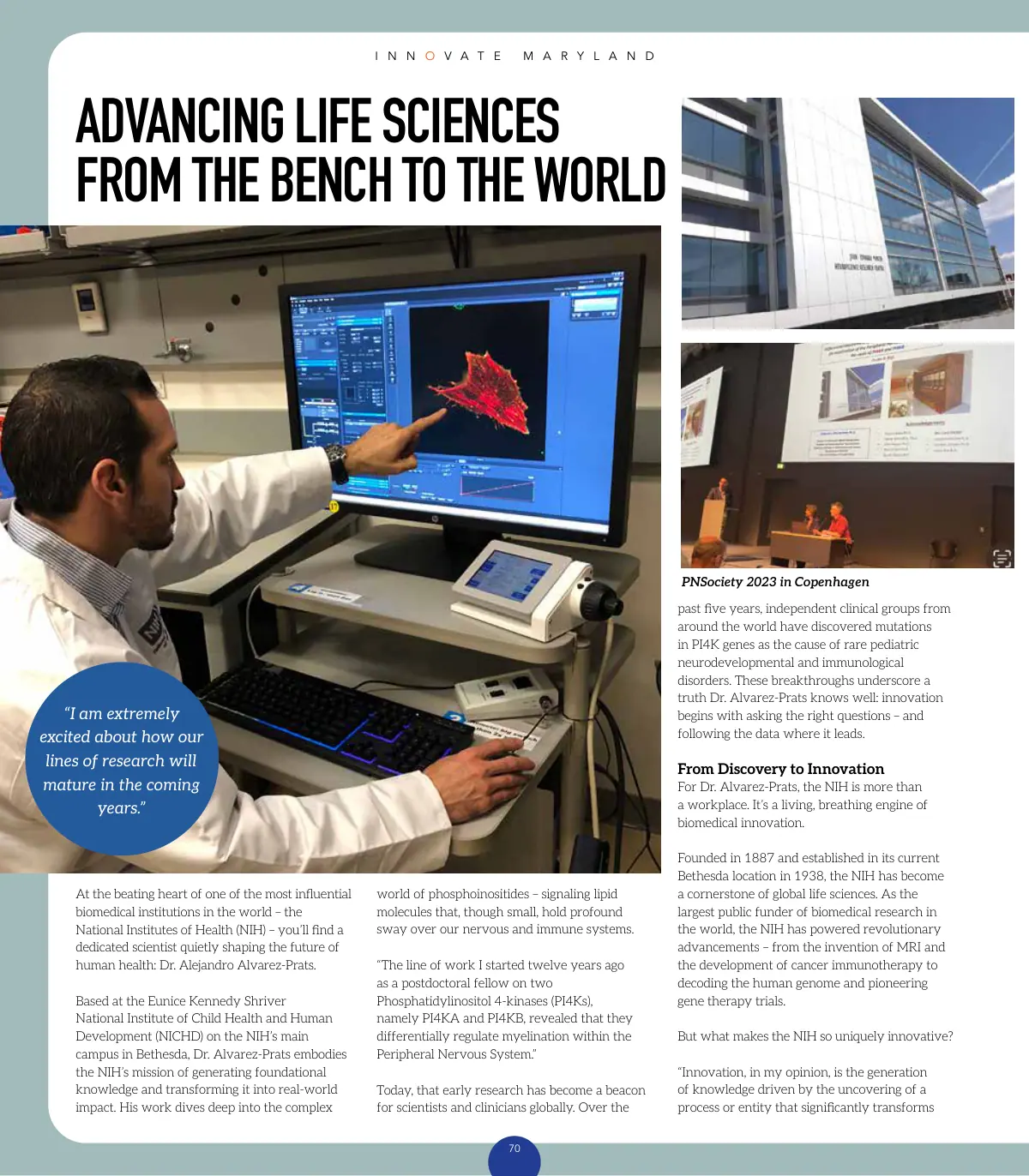
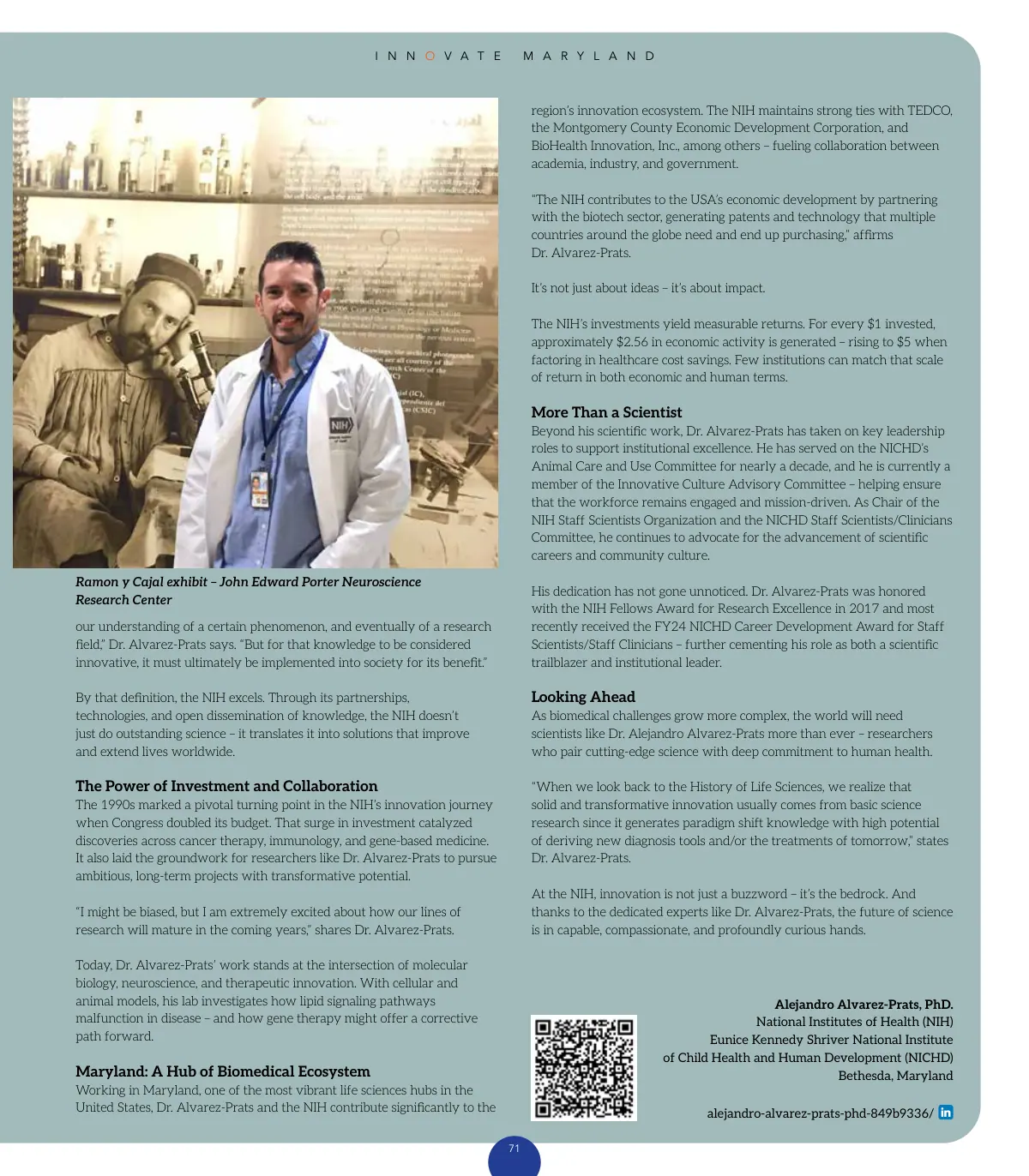
Alejandro Alvarez-PratsDr Alejandro Alvarez-Prats works at the NIH's NICHD in Bethesda, Maryland, studying signalling lipid molecules and gene therapy. His lab has spent twelve years researching phosphatidylinositol 4-kinases, using cellular and animal models.
Read the story →Stories that connect
- Angela Osborne, eXmoor Pharma Concepts LtdBristol & Bath · INNOVATE Bristol & Bath, 2021eXmoor Pharma Concepts designs cell and gene therapy manufacturing facilities for over 120 clients, which could help move gene therapy research from the NIH lab towards clinical-scale production.
- Jared Smith, Montgomery County Economic Development Corporation (MCEDC)Maryland · INNOVATE Maryland, 2026Montgomery County's economic development body lists close proximity to NIH and an ecosystem of cell and gene therapy businesses, which could help connect a Bethesda lab with commercial partners.
- Jogin Desai, EyestemBengaluru · INNOVATE Bengaluru, 2019Eyestem's allogeneic cell therapy for retinitis pigmentosa and macular degeneration could draw on Alvarez-Prats's gene therapy and lipid signalling work, and Eyestem already works with US partners including the Buck Institute.